Get Tree Cabling Service
Tree cabling services help property owners stabilize and support weak or damaged branches and limbs, preventing breakage and property damage through expert installation by local contractors.
Tree cabling services are an important consideration for property owners looking to support and preserve the health of mature or valuable trees. Proper planning and installation can help prevent damage caused by strong winds, heavy snow, or the natural aging process. If you're evaluating options for maintaining the safety and stability of your trees, exploring the services offered by local contractors can provide valuable insight into effective solutions tailored to your property's needs.
Many property owners in the area turn to experienced service providers to ensure their trees are properly supported and cared for over time. Comparing the offerings of nearby professionals can help you find the right approach for your landscape, whether you need a one-time installation or ongoing support. Keep reading to learn more about how local experts can assist with your tree cabling projects and help you make informed decisions.
- Tree Cabling Installation - when trees require additional support to prevent branches from breaking or falling.
- Tree Cabling Inspection - for assessing the stability and health of existing cabling systems in mature trees.
- Tree Cabling Repair - needed when existing cabling shows signs of wear, damage, or failure.
- Tree Cabling Removal - in cases where cabling is no longer effective or the tree needs to be safely pruned or removed.
- Tree Support System Consultation - for property owners seeking advice on the best support options for valuable or hazardous trees.
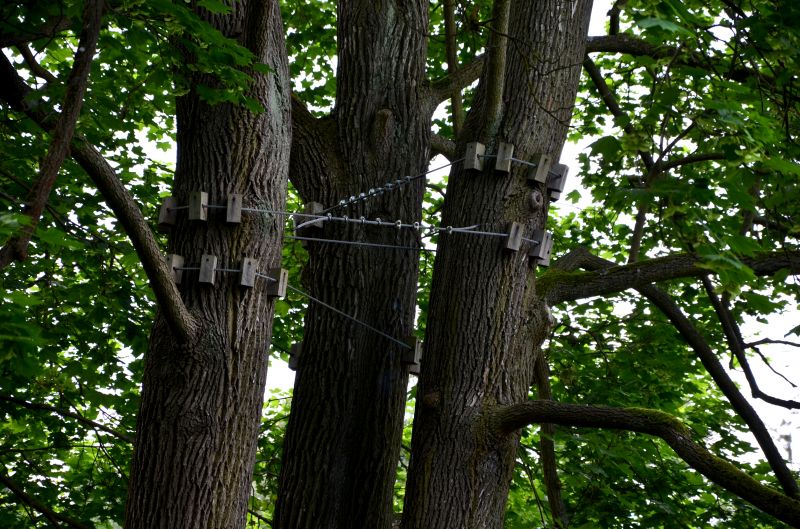
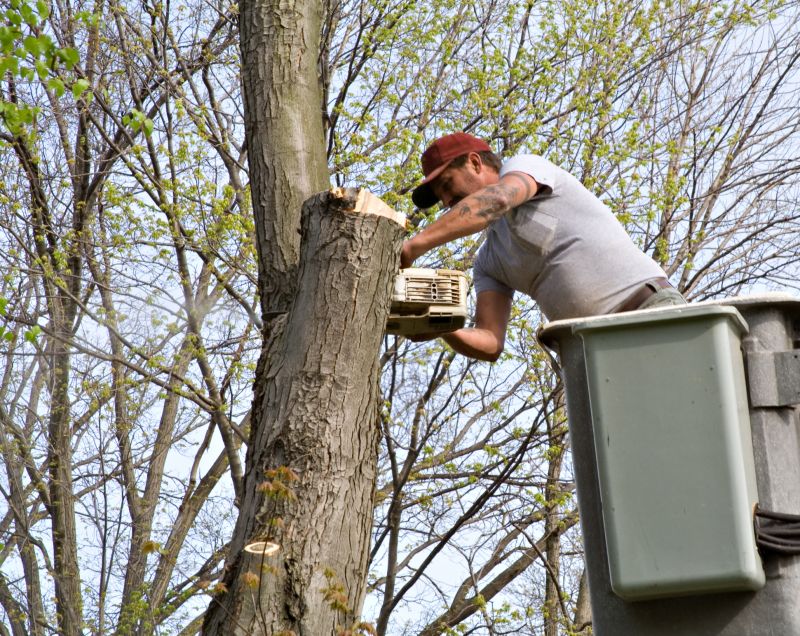
Tree cabling services involve installing supportive cables and hardware to stabilize and protect trees that may be at risk of damage or failure. This process typically includes assessing the tree’s structure, selecting appropriate cables and anchors, and carefully installing them to provide additional support. The goal is to help maintain the health and stability of mature or weakened trees, especially those with heavy branches, multiple trunks, or structural defects. Proper cabling can prevent limbs from splitting or falling, reducing the potential for property damage or personal injury.
This service is particularly useful for addressing common problems such as limb breakage, trunk splitting, or overall instability in trees. When trees show signs of structural weakness-like large, heavy branches that are difficult to support or cracks in the trunk-cabling can offer a practical solution to prolong their safety and longevity. It can also help protect valuable landscape features, buildings, or power lines from damage caused by falling branches or unstable trees. In many cases, cabling is a proactive measure to avoid costly repairs or safety hazards associated with falling limbs.
Properties that often utilize tree cabling services include residential homes, commercial properties, parks, and golf courses. Homes with mature trees near structures or driveways may need cabling to prevent damage during storms or high winds. Commercial properties with landscaped grounds often rely on cabling to preserve the aesthetic appeal and safety of their trees. Public parks and recreational areas also frequently use this service to ensure that large, aging trees remain safe for visitors. Regardless of the property type, tree cabling is a practical option when there are concerns about a tree’s stability or structural integrity.
Homeowners and property managers typically turn to local contractors for tree cabling services when they notice signs of potential failure in their trees. These signs can include large or heavy branches hanging precariously, visible cracks in the trunk, or a general sense of instability. When trees are aging or have suffered storm damage, cabling can provide essential support to extend their life and reduce hazards. Consulting with experienced local service providers can help determine if tree cabling is a suitable solution to maintain the safety, health, and appearance of valuable trees on a property.
The overview below groups typical Tree Cabling Service projects into broad ranges so you can see how smaller, mid-sized, and larger jobs often compare in your area.
In many markets, a large share of routine jobs stays in the lower and middle ranges, while only a smaller percentage of projects moves into the highest bands when the work is more complex or site conditions are harder than average.
Smaller Repairs - Most routine tree cabling jobs, such as installing support cables for individual branches, typically cost between $250 and $600. Many local contractors handle these smaller projects within this range, making them a common choice for routine needs.
Medium-Sized Projects - For more extensive cabling that involves multiple branches or smaller trees, costs generally fall between $600 and $1,500. These projects are frequently encountered and represent a common middle ground for service providers.
Large or Complex Installations - Larger, more intricate cabling jobs, such as supporting mature trees or multiple specimens, can range from $1,500 to $3,500. While less common, some projects may push into this higher tier depending on scope and complexity.
Full Tree Support Systems - Complete cabling and support systems for large or valuable trees can exceed $5,000, especially for custom or highly detailed work. These projects are typically less frequent but handled by specialists for significant or high-value trees.
Actual totals will depend on details like access to the work area, the scope of the project, and the materials selected, so use these as general starting points rather than exact figures.
Tree Trimming and Pruning - this service involves shaping and maintaining trees, requiring similar planning and precision as installing cabling systems to ensure tree health and safety.
Utility Line Installation - installing or repairing utility lines involves working with tall structures and planning for safety, paralleling the skills used in tree cabling projects.
Storm Damage Tree Support - providing support systems for trees affected by storms involves installing cables and braces, similar to those used in tree cabling services.
Landscape Tree Planting - planting large or mature trees requires planning and structural support considerations akin to cabling and guying techniques.
Tree Bracing and Staking - this involves installing supports to stabilize young or leaning trees, sharing techniques and tools with cabling services.
Structural Support for Tall Shrubs - installing support systems for tall or top-heavy shrubs involves planning and installation skills comparable to tree cabling projects.
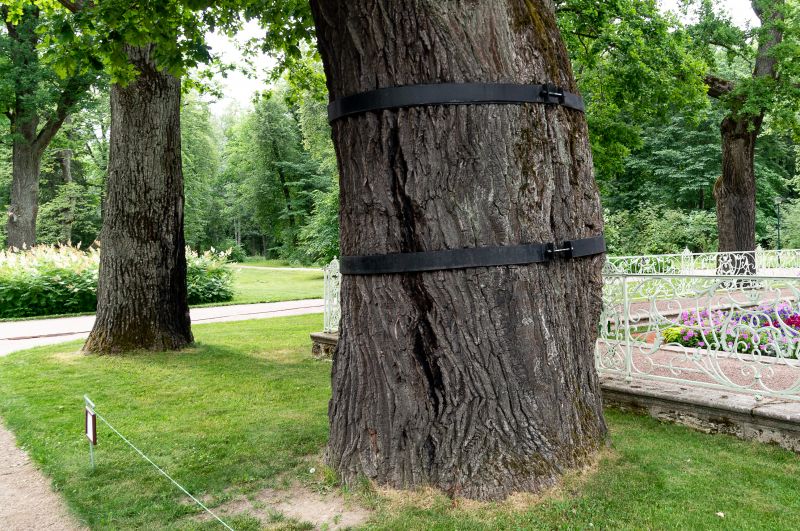
When comparing service providers for tree cabling, it’s important to consider their experience with similar projects. Homeowners should look for local contractors who have a proven track record of handling tree cabling services on trees comparable in size and type to their own. An experienced professional will understand the nuances of different tree species and be better equipped to recommend appropriate cabling solutions that support the tree’s health and stability. This background helps ensure that the work is performed efficiently and effectively, reducing the risk of issues arising from unfamiliarity with specific tree characteristics.
Clear, written expectations are essential when evaluating potential service providers. Homeowners should seek detailed proposals that outline the scope of work, materials to be used, and any specific procedures involved. Having these details in writing helps prevent misunderstandings and provides a reference point throughout the project. It’s also beneficial to ask service providers to explain their approach and the reasoning behind their recommendations, ensuring that expectations are aligned from the outset and that the project’s goals are transparent.
Reputable references and good communication are key indicators of a trustworthy local contractor. Homeowners can ask potential service providers for references from previous clients who had similar work done. Contacting these references can provide insight into the contractor’s professionalism, reliability, and quality of work. Additionally, a service provider’s responsiveness and clarity in communication can reveal their commitment to customer service. Choosing a local pro who is transparent, responsive, and well-regarded by past clients can help ensure a smooth and satisfactory experience for the tree cabling project.
Property owners use Tree Cabling Service services for practical projects around their homes and businesses. This guide focuses on everyday jobs and straightforward project options.
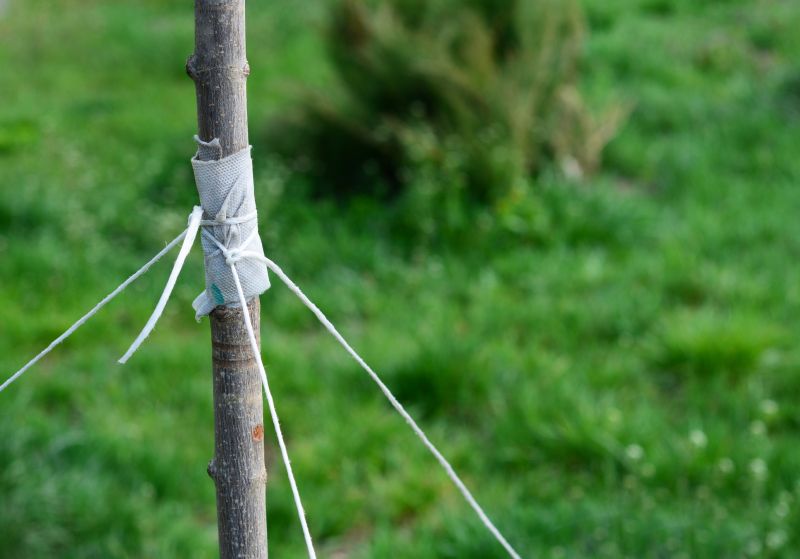
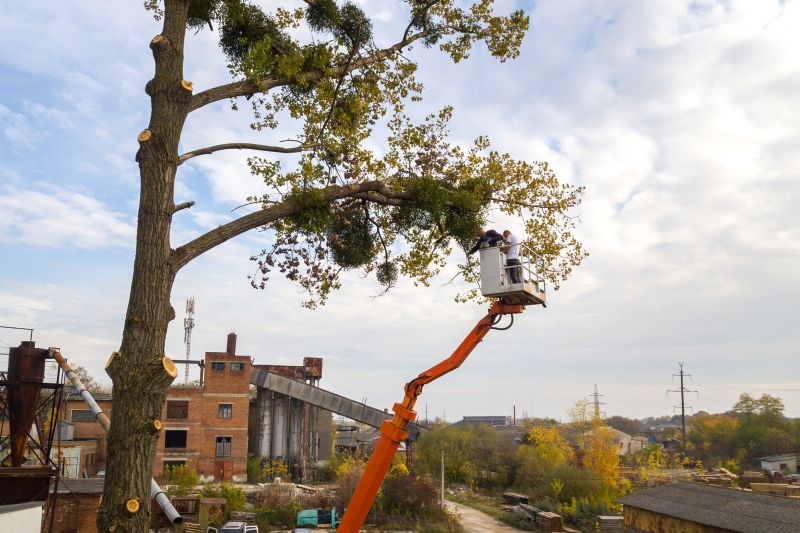
Tree cabling services are often needed when property owners notice that their trees have weak or damaged branches, which could pose a risk during storms or high winds. Local contractors can provide support by installing cables to help stabilize these branches, reducing the chance of them breaking off and causing damage to nearby structures, vehicles, or pedestrians. This type of work is common in residential neighborhoods and commercial properties where maintaining the safety and appearance of mature trees is a priority.
Homeowners and business owners may also seek tree cabling when they want to preserve valuable or aesthetically important trees that have structural issues. Local service providers can assess the health of the trees and install the necessary support systems to extend their lifespan. Whether addressing leaning trees or preventing potential hazards from overgrown branches, property owners rely on experienced contractors to handle these projects safely and effectively.
What is tree cabling? Tree cabling involves installing strong, flexible cables to support and stabilize weak or damaged branches and trunks, helping prevent breakage and damage.
Why should I consider tree cabling services? Tree cabling can reduce the risk of falling branches or limbs, protect valuable trees, and maintain the overall health and safety of your landscape.
How do local contractors perform tree cabling? Experienced service providers assess the tree's condition, select appropriate cabling materials, and carefully install supports to enhance stability without harming the tree.
Can tree cabling be done on any type of tree? Tree cabling is suitable for many mature or structurally compromised trees, but a professional evaluation is recommended to determine the best approach.
What are common signs that a tree might need cabling? Indicators include large or heavy branches, visible cracks or splits, and trees that have experienced storm damage or show signs of structural weakness.
Tree Support and Stability - Tree cabling services can help stabilize weak or damaged branches, reducing the risk of falling limbs during storms or high winds.
Tree Health and Longevity - Proper cabling can support the growth of large or heavy trees, helping to extend their lifespan and maintain their appearance.
Property Protection - Contractors can install cabling to prevent heavy branches from causing damage to structures, vehicles, or outdoor furniture.
Tree Preservation Projects - Tree cabling services assist in preserving mature trees during construction or landscaping work, ensuring safety and stability.
If you are thinking about Tree Cabling Service for a property, this guide is meant to help you understand the work, the typical project types, and how different options might fit your plans.
When you are ready, you can use the quote form on this page to share a few details about your project. From there, local pros can review the basics and respond with options that match what you have in mind.